Online Learning and the Future of Higher Education
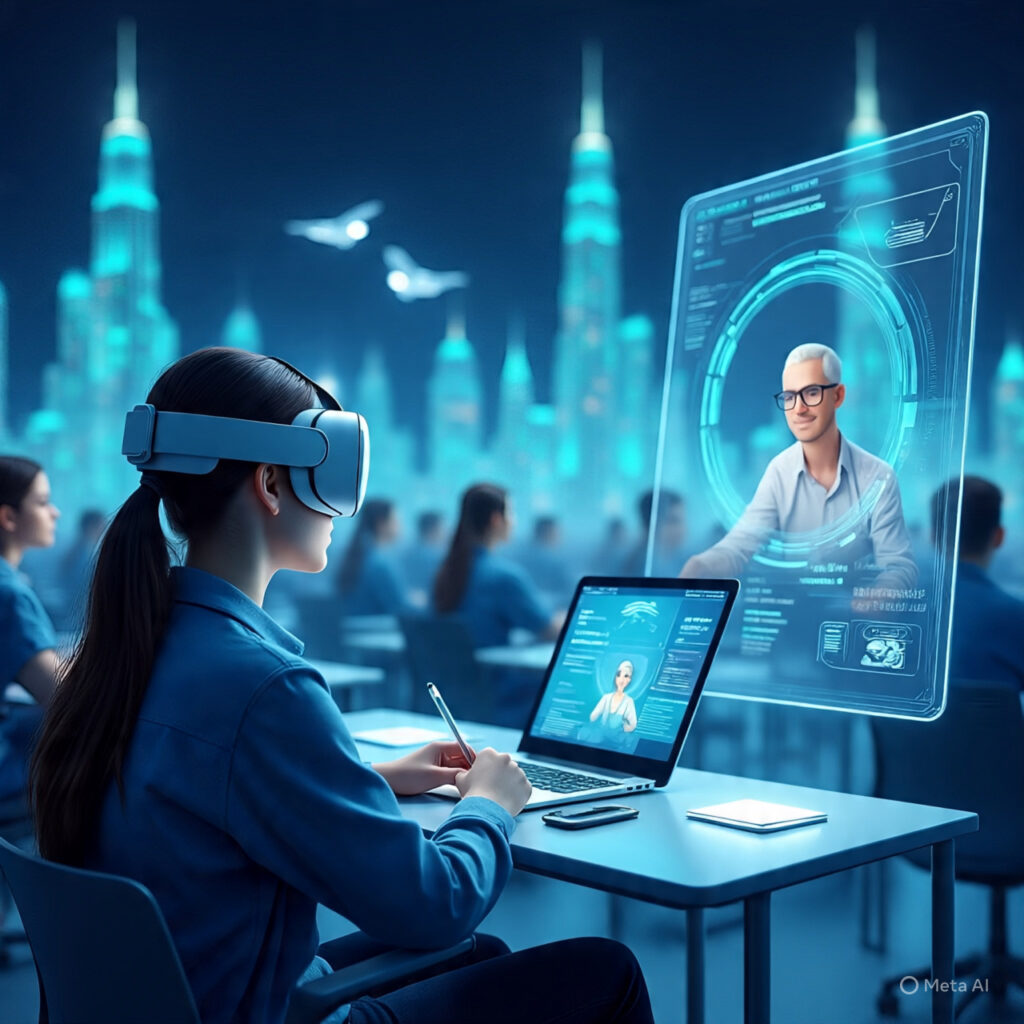
The landscape of higher education is undergoing a profound transformation. With rapid advancements in technology and the increasing demand for flexible learning options, online education has become a crucial component of modern universities. Once considered a supplementary method of learning, online courses and programs are now central to the way students gain knowledge, earn degrees, and prepare for careers. Understanding the role of online learning and its impact on the future of higher education is essential for students, educators, and institutions alike.
1. The Rise of Online Learning
Online learning has grown dramatically over the past decade. Advances in digital technology, high-speed internet, and learning management systems (LMS) have made it possible for students to access lectures, assignments, and discussions from anywhere in the world. Universities now offer fully online programs, hybrid courses, and massive open online courses (MOOCs), catering to a wide variety of learners—from full-time students to working professionals. The convenience and accessibility of online learning have transformed traditional education models and expanded opportunities for learners globally.
2. Flexibility and Accessibility
One of the most significant advantages of online learning is flexibility. Students can schedule their studies around work, family, and other commitments. This flexibility makes higher education more inclusive, allowing individuals who might not otherwise have access to university programs—such as those in remote areas or with disabilities—to participate. Moreover, online platforms provide 24/7 access to course materials, enabling students to learn at their own pace and review lessons as needed, which enhances comprehension and retention.
3. Technology-Driven Learning Tools
Online learning leverages a wide range of digital tools and technologies to improve the educational experience. Video lectures, interactive simulations, discussion forums, and virtual labs create dynamic and engaging learning environments. Artificial intelligence (AI) and adaptive learning software personalize the learning process by analyzing student performance and tailoring lessons to individual needs. Additionally, collaboration tools like video conferencing and shared documents allow students and instructors to interact in real time, fostering communication and teamwork even in virtual classrooms.
4. Expanding Global Opportunities
Online learning has made higher education truly global. Students can enroll in courses offered by universities in different countries without relocating. This creates exposure to diverse perspectives, cultural exchange, and access to international expertise. Universities are increasingly partnering with global institutions to offer joint online programs, allowing students to benefit from multiple curricula and earn dual or international degrees. This global connectivity enhances career prospects and prepares students for the increasingly international job market.
5. Cost-Effectiveness
Traditional university education often involves significant costs, including tuition, housing, and commuting. Online learning can reduce these financial burdens by offering affordable courses and eliminating the need for physical relocation. Additionally, universities can reach a larger number of students without investing in extensive campus infrastructure. While online programs may still require technology investments, the overall cost-effectiveness makes higher education more accessible to a broader population.
6. Promoting Lifelong Learning
The modern workforce demands continuous skill development, and online learning is a key enabler of lifelong learning. Professionals can enroll in short courses, certifications, or degree programs to upgrade their skills without leaving their jobs. Universities offering online programs contribute to a culture of continuous education, ensuring that individuals remain competitive in rapidly changing industries. Lifelong learning also fosters personal growth, adaptability, and the ability to embrace new technologies.
7. Challenges of Online Learning
Despite its many advantages, online learning faces several challenges. Student engagement and motivation can be difficult to maintain without face-to-face interaction. Technical issues, lack of digital literacy, and limited social networking opportunities may also hinder the learning experience. Additionally, some employers or institutions may still perceive online degrees as less credible than traditional degrees. To address these challenges, universities must focus on creating interactive content, providing technical support, and establishing strong student support systems.
8. The Future of Higher Education
The future of higher education is likely to be hybrid, combining traditional in-person learning with robust online components. Universities are adopting blended learning models that offer the best of both worlds: face-to-face interaction for hands-on learning and online resources for flexibility and accessibility. Technology will continue to shape the way knowledge is delivered, with AI, virtual reality (VR), and augmented reality (AR) creating immersive and personalized learning experiences. Online learning is not just an alternative; it is becoming a core element of modern education.
9. Preparing Students for the Digital Age
Online learning equips students with digital skills, self-discipline, and adaptability, which are essential in the contemporary workforce. By participating in virtual classrooms, collaborative projects, and digital assessments, students develop competencies that are increasingly valued by employers. Universities that integrate online learning effectively are producing graduates who are better prepared for remote work, digital collaboration, and lifelong learning in a technology-driven world.
Conclusion
Online learning is no longer a supplementary feature of higher education—it is reshaping the way universities teach, students learn, and knowledge is shared globally. By providing flexibility, accessibility, cost-effectiveness, and technological engagement, online programs are creating new opportunities for learners worldwide. While challenges remain, universities that embrace online education and innovation are positioned to lead in the evolving landscape of higher education. The integration of online learning ensures that universities continue to fulfill their mission of knowledge creation, skill development, and preparing students for the future, making education more inclusive, dynamic, and future-ready than ever before.
Leave a Reply